WELCOME TO REACON

- All
- Product Name
- Product Keyword
- Product Model
- Product Summary
- Product Description
- Multi Field Search
 |
GTY300
| Quantity: | |
|---|---|
The durable non-insulated butt connectors are engineered for dependable conductor joining in electrical and communication wiring systems. Made from high-conductivity copper, these copper crimp sleeves for cable splicing ensure stable current flow and secure mechanical strength. Their simple structure allows fast installation using common crimping tools, making the copper butt splice connectors suitable for residential, industrial, and utility cable repairs.
High Conductivity
Made of copper or tinned copper, ensuring excellent current flow.
2.Strong Mechanical Strength
Provides secure crimping connection with long-lasting durability.
3.Low Contact Resistance
Guarantees efficient electrical conductivity with minimal power loss.
4.Flexible Use
Compatible with heat shrink tubing for extra insulation.
5.Cost-Effective
Simple structure with reliable performance at a competitive price.
Application Scenarios:
1. Electrical Cable Repair:Insert stripped cable ends into the non-insulated butt connector and crimp firmly to restore conductor continuity.
2. Industrial Wiring Extensions:Use copper crimp sleeves for cable splicing to extend machine wiring or control cables.
3. Communication Cable Splicing:Provides a stable, low-resistance joint for signal cables in non-insulated form.
4. Residential Wiring Maintenance:Crimp connectors help repair household wiring circuits safely.
5. Power Distribution Equipment Wiring:Connect internal wiring inside switchboards or panel boxes using copper butt splice sleeves.

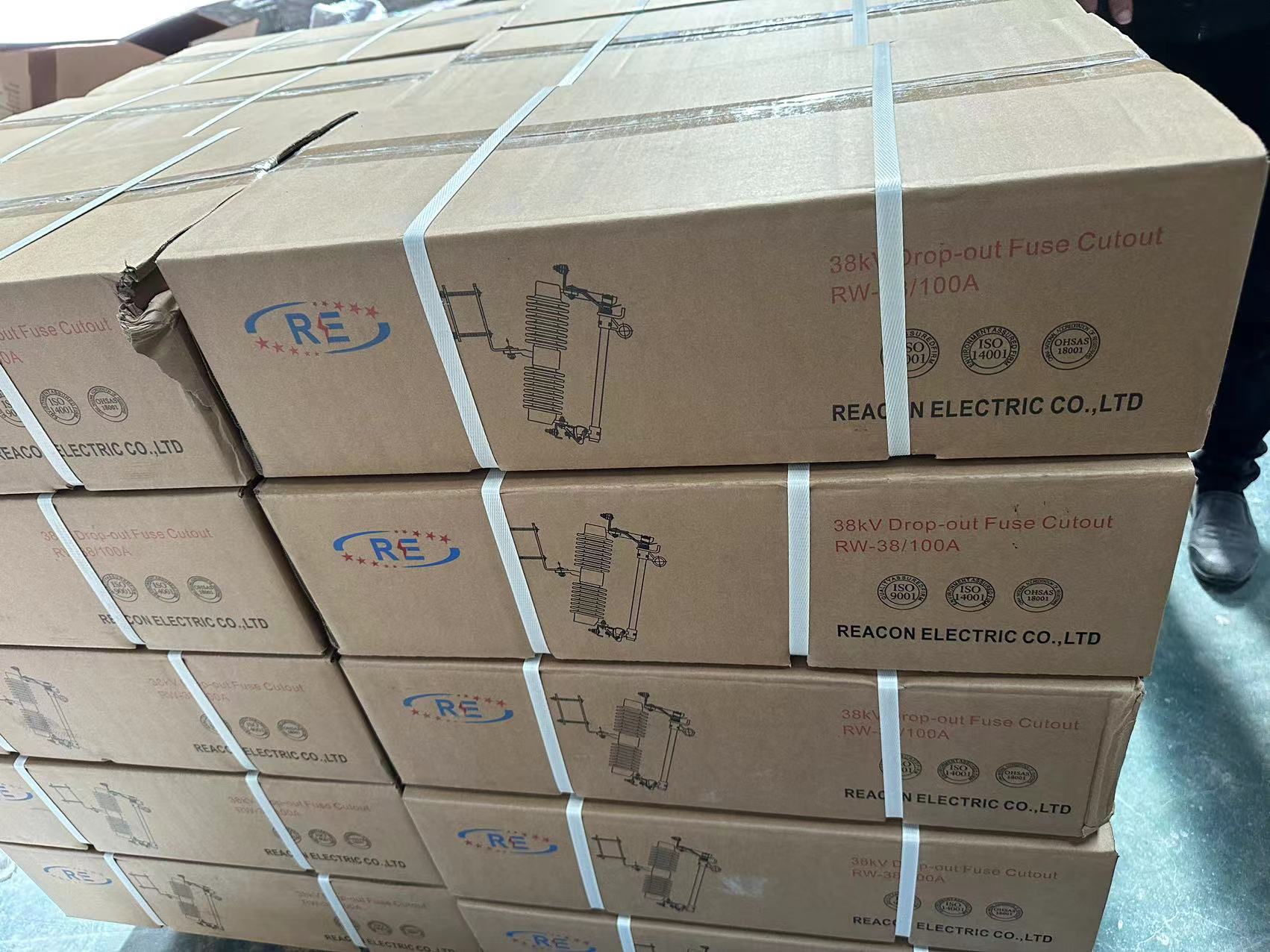
Quality Assurance:
• Manufactured according to ANSI standards
• 100% inspection for conductivity and crimp strength before delivery
• High-purity copper material with surface treatment to resist oxidation
• Guaranteed long service life under rated working conditions
Q1: What material are non-insulated butt connectors made of?
A1: High-conductivity copper or tinned copper.
Q2: Do they have insulation protection?
A2: No, they are non-insulated and usually paired with heat shrink tubing.
Q3: Where are they commonly used?
A3: Power distribution, automotive wiring, marine systems, and industrial electrical connections.
Q4: Can customized sizes be provided?
A4: Yes, customized sizes are available upon request to fit different conductor diameters.


