WELCOME TO REACON

- All
- Product Name
- Product Keyword
- Product Model
- Product Summary
- Product Description
- Multi Field Search
 |
YE-1-240
| Quantity: | |
|---|---|
The Mechanical Terminal Lug is a versatile connector designed for safe and reliable wire connections in electrical power systems. Unlike compression lugs that require crimping tools, mechanical lugs use set screws or torque bolts to clamp conductors firmly, providing excellent convenience during installation.
Made of high-strength aluminum alloy or copper with surface treatment (such as tin plating), the lug ensures superior electrical conductivity, mechanical durability, and corrosion resistance. Its universal design makes it suitable for both aluminum and copper conductors, widely applied in switchgear, control panels, transformers, and industrial distribution systems.
Tool-free Installation
Uses screws or torque bolts for fast and secure connections.
2.High Conductivity
Copper or aluminum alloy construction ensures stable current flow.
3.Universal Application
Suitable for both copper and aluminum conductors.
4.Strong Mechanical Durability
Resistant to vibration and loosening, ensuring long-term stability.
5.Corrosion Resistance
Tin-plated or treated surface enhances service life.
1. LV/MV Power Distribution Cabinets:Insert the conductor into the barrel and tighten the shear-head bolts until the heads break off, indicating proper compression.
2. Substations and Transformer Termination:Used as a stable termination point for transformer LV/MV outgoing cables, ensuring low resistance and secure mechanical strength.
3.Switchgear and Ring Main Units (RMU):Shear-bolt lugs allow safe termination inside confined switchgear compartments without hydraulic tools.
4. Outdoor Cable Joints and Field Installations:Ideal for field installations where power tools are unavailable; the lug ensures secure compression by manual tightening.
5. Utility Network Upgrades & Renewable Energy Systems:Used for terminating cables in solar inverters, wind power units, and upgraded distribution networks.

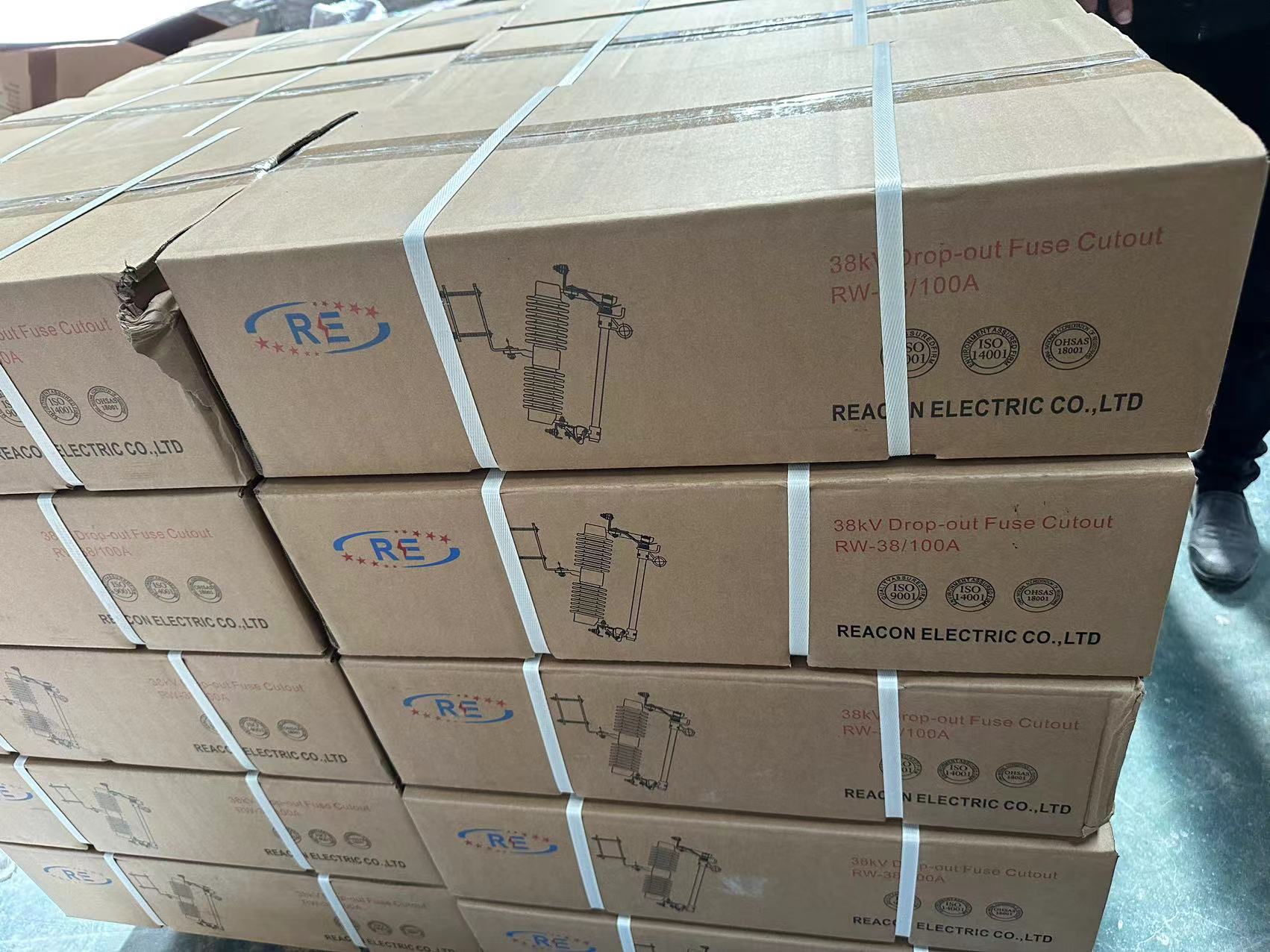
Each lug undergoes torque testing, contact resistance testing, thermal cycling, and surface coating inspection to ensure long-term reliability.
Q1: What is the difference between mechanical lugs and compression lugs?
A1:Mechanical lugs use screws/bolts for clamping, while compression lugs require crimping tools.
Q2: What materials are available?
A2:Typically made of copper or aluminum alloy, with optional tin plating.
Q3: Can it be used with both copper and aluminum wires?
A3: Yes, it is suitable for both conductor types.
Q4:Where is it commonly applied?
A4:Widely used in switchgear, transformers, control panels, and industrial power systems.


