WELCOME TO REACON

- All
- Product Name
- Product Keyword
- Product Model
- Product Summary
- Product Description
- Multi Field Search
 |
Insulators are devices installed between conductors of different potentials or between conductors and grounding components, capable of withstanding voltage and mechanical stress. There are various types and shapes of insulators. Although there are significant differences in the structure and appearance of different types of insulators, they are all composed of two main parts: insulation components and connecting fittings.
REACON
| Quantity: | |
|---|---|
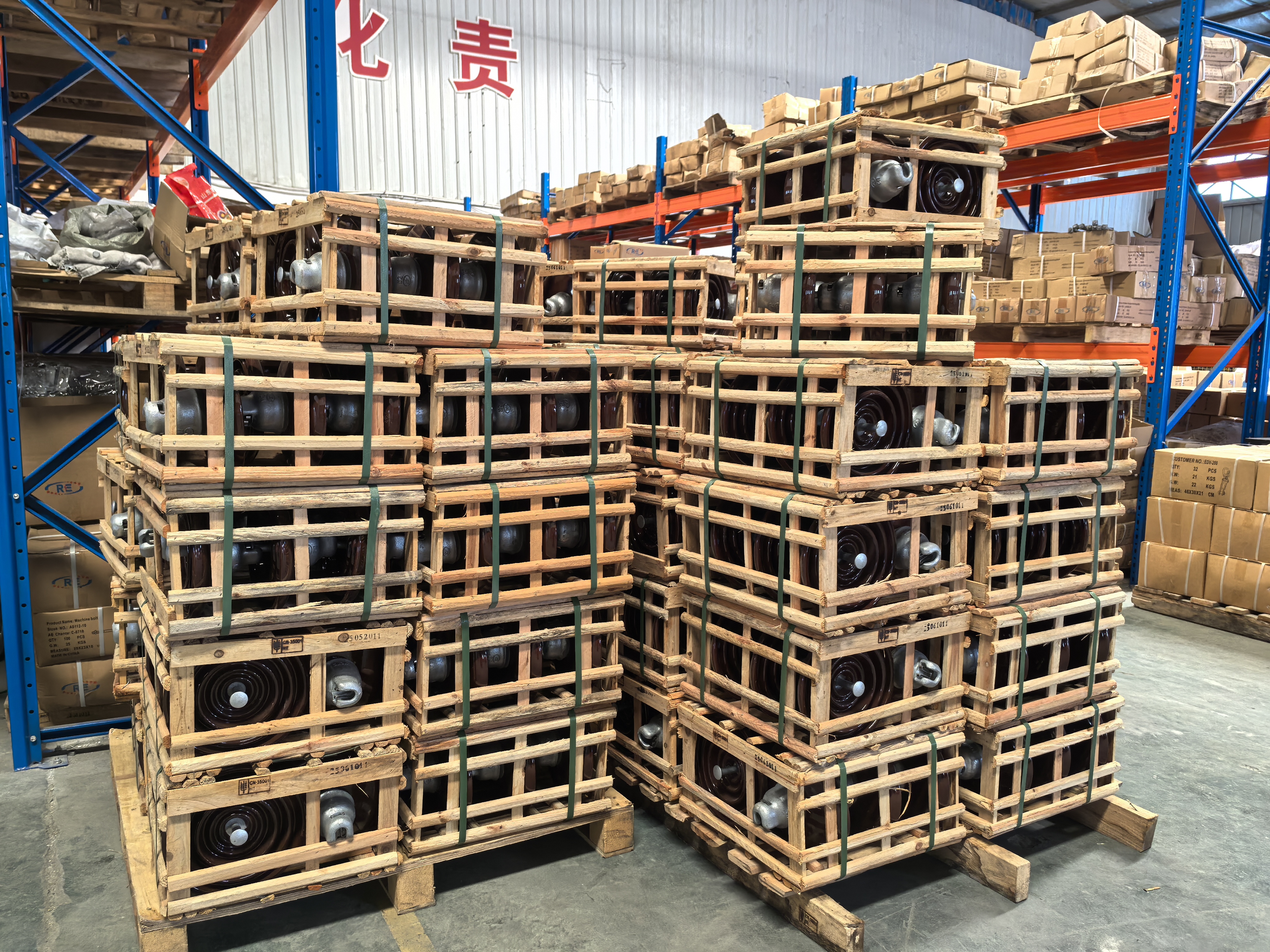
Strain insulator for lines
Many utility poles, communication towers, and distribution structures rely on guy wires to maintain stability against conductor tension, wind loading, and environmental forces. While guy wires provide essential mechanical support, electrical isolation may also be required in specific sections of the support assembly.
The Reacon Porcelain Strain Insulator is designed to provide electrical separation within guy wire systems while maintaining the mechanical integrity of the stay assembly. Installed directly in the guy wire path, the insulator helps interrupt unintended electrical continuity without affecting the structural role of the support wire.
The product is widely used in electrical distribution projects, telecommunications infrastructure, railway electrification systems, and utility pole support applications.
| Item | Description |
| Product Name | Porcelain Strain Insulator |
| Material | Porcelain |
| Application | Guy Wire Isolation |
| Installation | Pole Stay Assemblies |
| Environment | Outdoor |
| Usage | Utility & Telecom Structures |
| OEM Service | Available |
Unlike line insulators that support energized conductors, strain insulators are positioned within support wires that stabilize poles and towers.
Porcelain insulating body
Suitable for guy wire assemblies
Designed for stay wire isolation
High mechanical load capability
Suitable for outdoor environments
Compatible with utility structures
Available in multiple sizes
Custom specifications available
Porcelain strain insulators are commonly found in:
Utility pole guying systems
Distribution network support structures
Transmission line anchor assemblies
Telecommunications towers
Railway communication systems
Rural electrification projects
Infrastructure expansion programs
Pole reinforcement installations

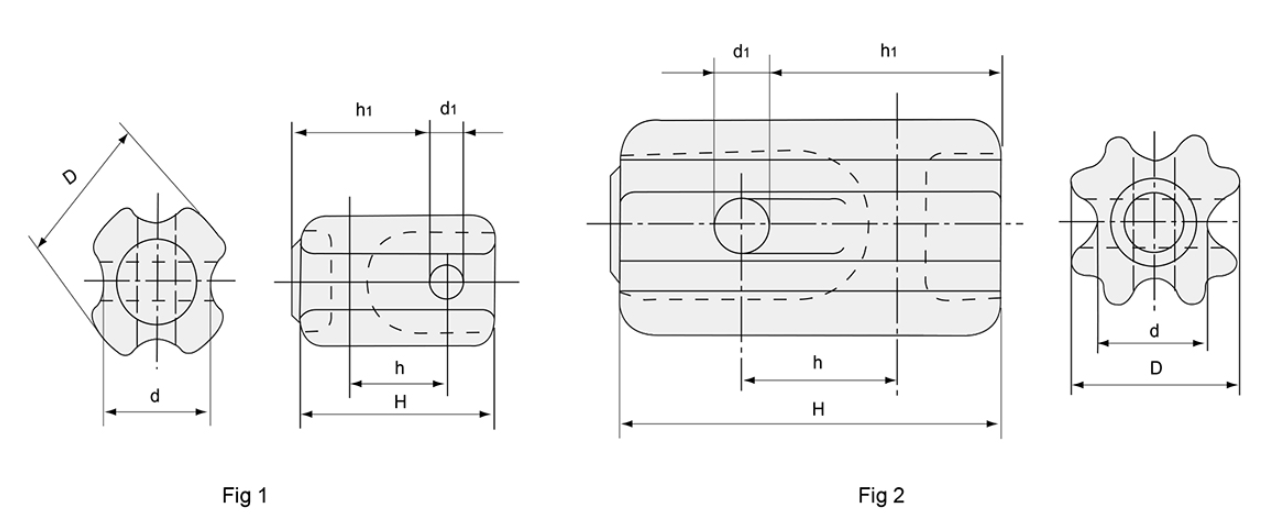
| Fig | 1 | 1 | 1 | 2 | ||
| CIass ANSI | 54-1 | 54-2 | 54-3 | 54-4 | ||
Main Dimensions (mm) | H | 88 | 108 | 140 | 171 | |
| h | 44 | 57 | 79 | 69 | ||
h1 | 64 | 76 | 103 | 114 | ||
| D | 64 | 73 | 86 | 89 | ||
| d | 44 | 54 | 60 | 60 | ||
| d1 | 16 | 22 | 25 | 25 | ||
| Mechanical failing load (kV) | 44 | 53 | 89 | 89 | ||
| Creepage Distance(mm) | 41 | 47 | 57 | 76 | ||
| Flashover voltage | Power-frequency | Dry (kv) | 25 | 30 | 35 | 40 |
| Wet (kV) | 12 | 15 | 18 | 23 | ||
| Weight (kg) | 0.43 | 0.63 | 1.2 | 2 | ||
In many installations, guy wires are connected to structures located near energized conductors. Strain insulators provide a section of electrical isolation within the support assembly.
Guy wire electrical isolation
Pole support system protection
Reduction of unintended conductive paths
Utility structure safety enhancement
Telecommunications tower grounding separation
This role is very different from conductor-supporting insulators and helps create a unique page topic for Google indexing.
The Reacon Porcelain Strain Insulator is suitable for:
Power distribution utilities
Transmission infrastructure projects
Telecommunications tower construction
Railway communication systems
Pole support reinforcement projects
EPC contractors
Rural electrification programs
Utility maintenance activities
Various sizes and mechanical ratings can be supplied according to project requirements.
What is a strain insulator used for?
A strain insulator is installed within a guy wire assembly to provide electrical isolation while maintaining mechanical support.
Is a strain insulator the same as a pin insulator?
No. Pin insulators support energized conductors, while strain insulators are installed in guy wires or stay assemblies.
Where are strain insulators commonly installed?
They are commonly used on utility poles, transmission structures, telecommunications towers, and anchoring systems.
Why is porcelain commonly used?
Porcelain offers long-term insulating performance and mechanical stability in outdoor environments.
Can customized sizes be supplied?
Yes. Different dimensions and mechanical ratings can be manufactured according to customer requirements.


